





Introduction to Gochujang Pasta
Why Gochujang Pasta is the Perfect Homemade Meal
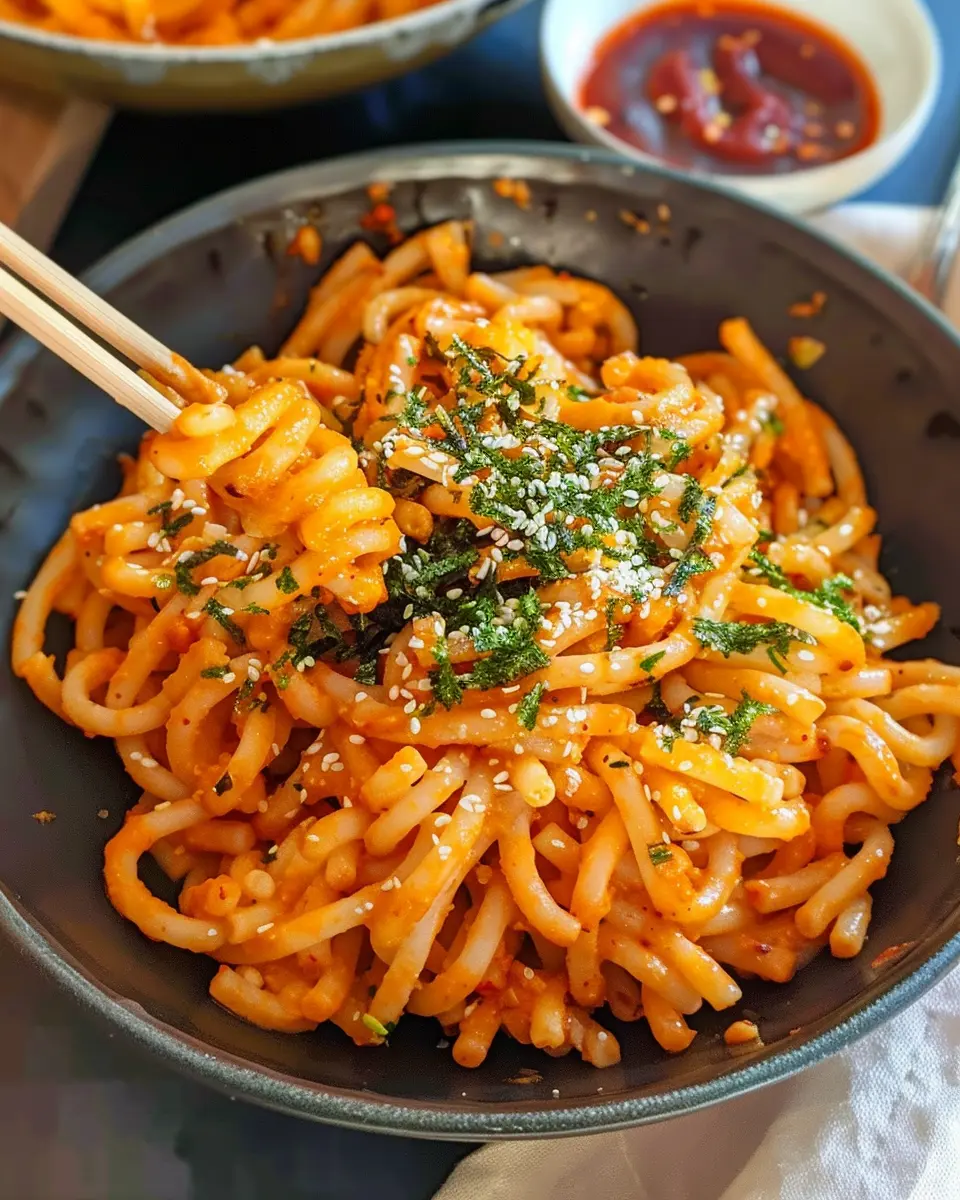
If you’re on the hunt for a quick, flavorful dinner that’s sure to impress, look no further than Gochujang Pasta. This dish combines the rich, spicy-sweet flavors of gochujang, a Korean chili paste, with the comforting familiarity of pasta. It’s perfect for busy weeknights when you want something exciting yet simple to whip up.
Imagine twirling your fork around a bowl of tender pasta coated in a luscious sauce that strikes a balance between heat and umami. The versatility of gochujang allows you to create variations with different proteins or veggies, ensuring that your meal is always satisfying. Plus, making it at home gives you full control over the ingredients, allowing for a wholesome experience that suits your taste buds.
A Personal Journey to Discovering Gochujang
My own journey with gochujang began quite unexpectedly during a casual dinner at a friend’s house. She had prepared a fusion dish that married Italian pasta with Korean flavors, and I was instantly hooked. The complexity of spicy, savory, and slightly sweet notes was unlike anything I had tasted before. I remember thinking, “Why haven’t I tried this before?”
As I explored more about this Korean staple, I learned that it’s not just a condiment; gochujang is a multi-dimensional ingredient revered for its health benefits, too. It’s packed with nutrients like vitamins B and C and even has the potential to boost metabolism—a win-win in my book!
While experimenting in my kitchen, I discovered that pairing gochujang with turkey bacon or chicken ham adds another depth of flavor that complements the sauce beautifully. With each attempt, I learned ways to adjust the spice level to cater to my friends’ palates or even incorporate seasonal vegetables.
If you’re looking to dive deeper into Korean cuisine, consider checking out resources from the Korean Food Foundation for authentic recipes and insights. With Gochujang Pasta becoming my go-to comfort food, it could very well become yours, too!
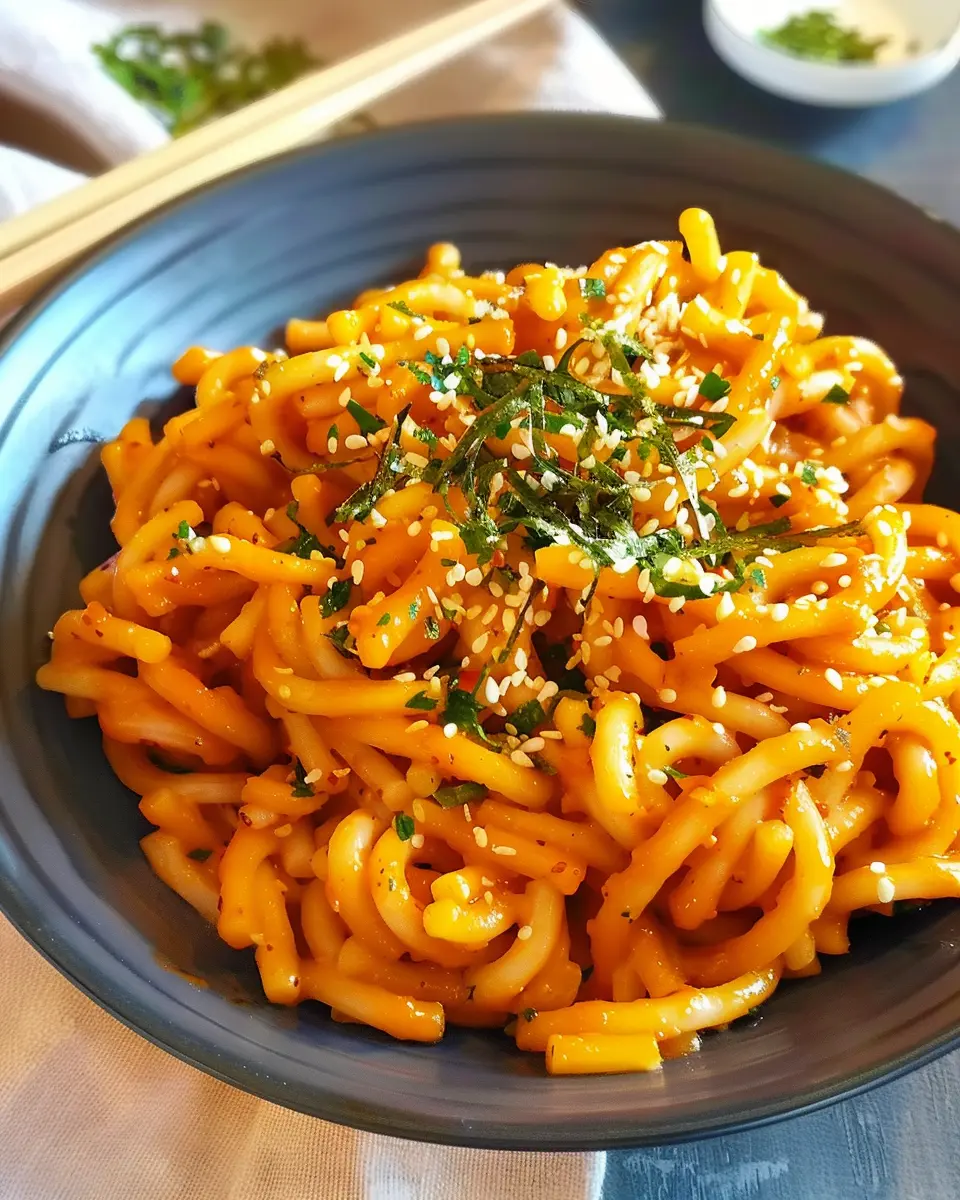
Ingredients for Gochujang Pasta
Essential Ingredients for a Creamy Delight
Creating a delectable Gochujang Pasta starts with the right ingredients. Here’s what you’ll need to build that creamy, spicy foundation:
- Pasta: Choose your favorite type, but spaghetti or fettuccine work beautifully.
- Gochujang: This Korean red chili paste is the star of the show, bringing heat and umami.
- Heavy Cream: For that luxuriously creamy texture that binds everything together.
- Garlic: Fresh cloves, minced, offer a delightful aroma and depth of flavor.
- Turkey Bacon or Chicken Ham: Both lend a smoky, savory note to the dish.
- Soy Sauce: Just a splash adds an extra layer of umami that complements the gochujang perfectly.
- Green Onion: Chopped for garnish and a fresh crunch.
Want to explore more about the versatility of Gochujang? Check out this article from Korean Bapsang!
Optional Add-ins for Extra Flavor
Feeling adventurous? These optional add-ins can elevate your Gochujang Pasta even further:
- Vegetables: Think bell peppers, spinach, or zucchini for added nutrition.
- Protein: Shrimp or chicken can be excellent sources of protein.
- Nuts: Sprinkle in sesame seeds or chopped peanuts for crunch.
- Cheese: A sprinkle of parmesan can create a contrasting layer of flavor.
Explore how to balance flavors and create the ultimate twist on traditional pasta dishes!
Preparing Gochujang Pasta
Creating a delicious bowl of Gochujang Pasta is a fun and rewarding experience, perfect for busy weeknights or casual gatherings with friends. Ready to dive in? Let’s break down the steps together so you can whip up this flavorful dish effortlessly.
Gather Your Ingredients
First things first! Before you embark on your culinary journey, ensure you have all the ingredients at hand. Here’s what you’ll need:
- Pasta: Choose your favorite type. Spaghetti or penne works wonderfully.
- Gochujang: This spicy, umami-packed Korean chili paste is the star of the show. Find it at your local Asian grocery store or online.
- Cream: For richness. Heavy cream or a dairy-free alternative will do.
- Garlic: Freshly minced for that aromatic base.
- Turkey bacon or Chicken ham: These options add protein and heartiness.
- Vegetables: Bell peppers, spinach, or broccoli offer a pop of color and nutrition.
- Sesame oil: Adds depth and hints of nuttiness.
- Green onions: For garnish, giving a fresh crunch.
Don’t forget: the quality of your ingredients plays a crucial role in your dish’s final flavor! Investing in fresh produce and authentic Korean ingredients can transform your Gochujang Pasta from good to unforgettable. For more tips on sourcing ingredients, check out The Spruce Eats.
Cook the Pasta to Perfection
After gathering your ingredients, it’s time to cook the pasta. Here’s how to do it right:
- Boil a pot of water: Add salt (about a tablespoon) to enhance the pasta’s flavor.
- Cook the pasta: Follow the package instructions for al dente pasta. Typically, this is around 8-10 minutes.
- Reserve some pasta water: Before draining, scoop out about a cup of this starchy water. It’s a magical ingredient later for adjusting your sauce’s consistency.
Cooking pasta perfectly sets the tone for your Gochujang Pasta. Overcooked pasta can turn mushy, so keep an eye on it!
Create the Creamy Gochujang Sauce
Now, the fun part: making the sauce! The sauce brings this dish to life.
- Sauté garlic: In a large skillet, heat a tablespoon of sesame oil. Add the minced garlic and sauté until fragrant (about 1 minute).
- Add protein: Toss in your chopped turkey bacon or chicken ham. Cook until they’re crispy and golden.
- Incorporate vegetables: Mix in your choice of vegetables. Cook until they’re tender but still vibrant.
- Stir in the Gochujang and cream: Start with a tablespoon of Gochujang and mix it well with the cream, adjusting the spice level to your preference.
Feel free to tweak the amount of Gochujang depending on how spicy you like it! Once combined, let it simmer for a few minutes to meld the flavors.
Combine the Pasta and Sauce
With your pasta cooked and sauce ready, it’s time for the best part—bringing everything together.
- Add pasta to the sauce: Gently toss the drained pasta into the skillet, ensuring each strand is coated with that luscious sauce.
- Use reserved pasta water: Gradually add your reserved pasta water, just a bit at a time, until you achieve your desired consistency.
This step is crucial because it makes your Gochujang Pasta creamy without becoming overly thick.
Plate and Garnish
Take a moment to appreciate your masterpiece! Now, let’s finish it off.
- Portion it out: Use tongs to twist the pasta onto plates for a restaurant-style presentation.
- Garnish: Top with sliced green onions and a sprinkling of sesame seeds. If you’re feeling adventurous, drizzle a little extra sesame oil for added flavor.
Enjoy the beautiful colors and aroma that your Gochujang Pasta brings to the table. Not only is this dish easy to prepare, but it’s also packed with flavor and sure to impress anyone lucky enough to share it with you!
Now, dig in and enjoy! Feel free to share your creations and any tweaks you made to make this dish your own. Bon appétit!
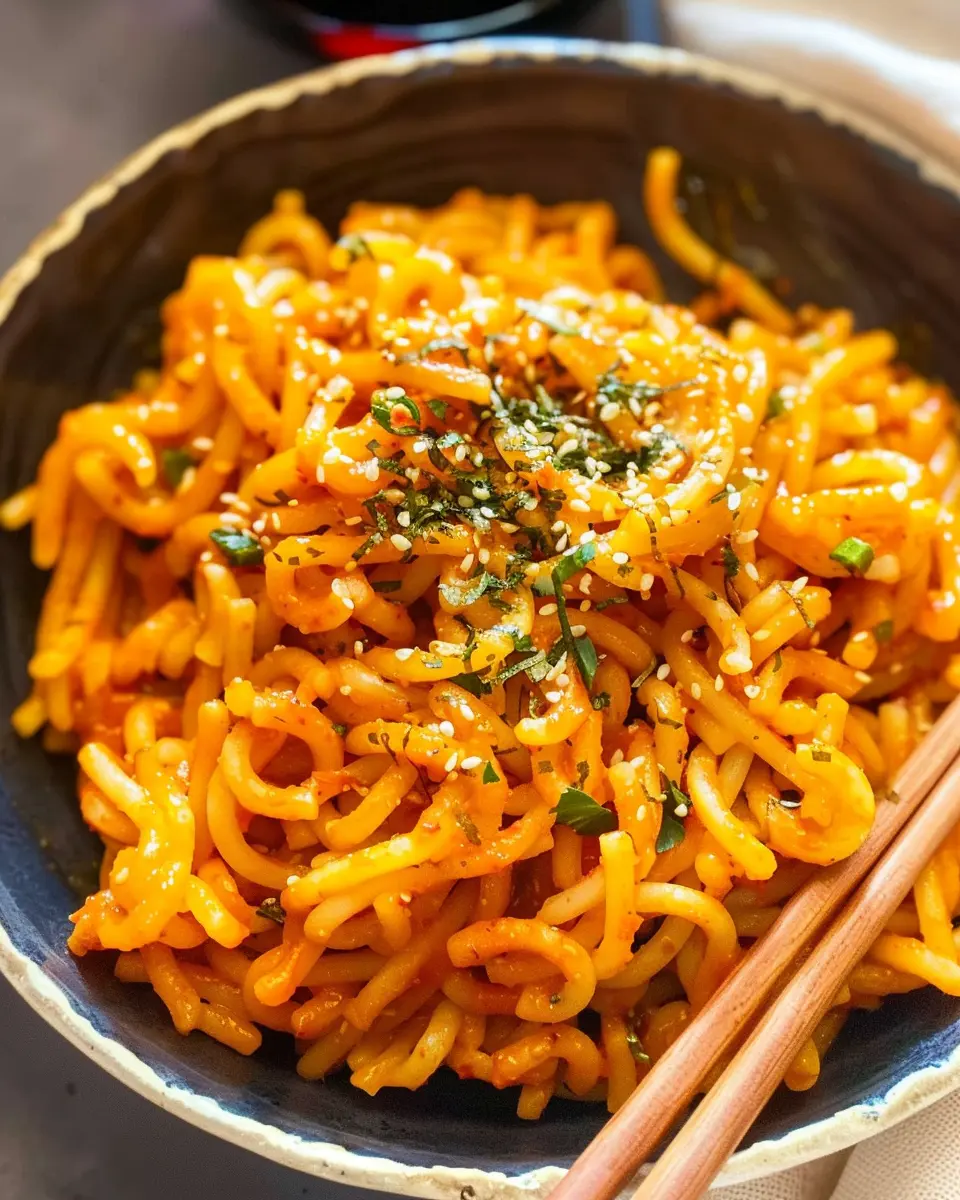
Variations on Gochujang Pasta
Gochujang pasta is incredibly versatile, allowing for a delightful twist no matter your dietary preferences. Here are some tasty variations to inspire your culinary adventures.
Spicy Gochujang Shrimp Pasta
If you love seafood, spicy gochujang shrimp pasta can elevate your meal to new heights. Simply sauté shrimp in garlic and a splash of vegetable broth before adding the gochujang sauce. Toss with your favorite pasta, and finish with a sprinkle of green onions and sesame seeds. The heat from the gochujang blends beautifully with the sweet, succulent shrimp, turning your dinner into an unforgettable feast.
Vegetarian Gochujang Pasta with Veggies
For a colorful, veggie-packed option, try vegetarian gochujang pasta with veggies. Use seasonal vegetables like bell peppers, zucchini, and spinach. Sauté them in a pan until tender, then add cooked pasta and a generous dollop of gochujang. The rich flavor of the sauce combined with fresh vegetables makes for a delightful dish that’s both hearty and healthy. For additional texture, consider tossing in some chopped nuts for crunch.
Vegan Gochujang Pasta Options
Want to keep it plant-based? Vegan gochujang pasta is a breeze to whip up! Substitute your pasta with whole grain or chickpea pasta to boost the nutrition. Blend a creamy sauce using soaked cashews or a dairy-free yogurt combined with gochujang for a luscious texture. Add sautéed mushrooms and spinach, and you’ve got a satisfying meal that even non-vegans will love.
Each of these variations takes the delicious base of gochujang pasta and transforms it into something unique, making it a great dish to customize for any palate. Happy cooking!
Cooking Tips and Notes for Gochujang Pasta
Best Pasta Shapes to Use
When diving into your Gochujang Pasta adventure, the choice of pasta shape can elevate your dish substantially. Consider using:
- Fusilli: Its spiral shape holds onto the sauce beautifully.
- Penne: The ridges help capture the spicy-sweet flavors, making every bite delightful.
- Spaghetti: A classic option that twirls perfectly, showcasing the creamy sauce.
These shapes not only add visual appeal but also maximize flavor absorption!
How to Store Leftovers
If you find yourself with extra Gochujang Pasta, don’t fret! Storing leftovers is simple. Allow the dish to cool, then transfer it to an airtight container. You can store it in the refrigerator for up to 3 days. To reheat, simply add a splash of vegetable broth or water to keep it moist and mix it in a pan over low heat.
Now you’re set for a quick meal later! For more food storage tips, check out the USDA’s official guidelines here. Happy cooking!
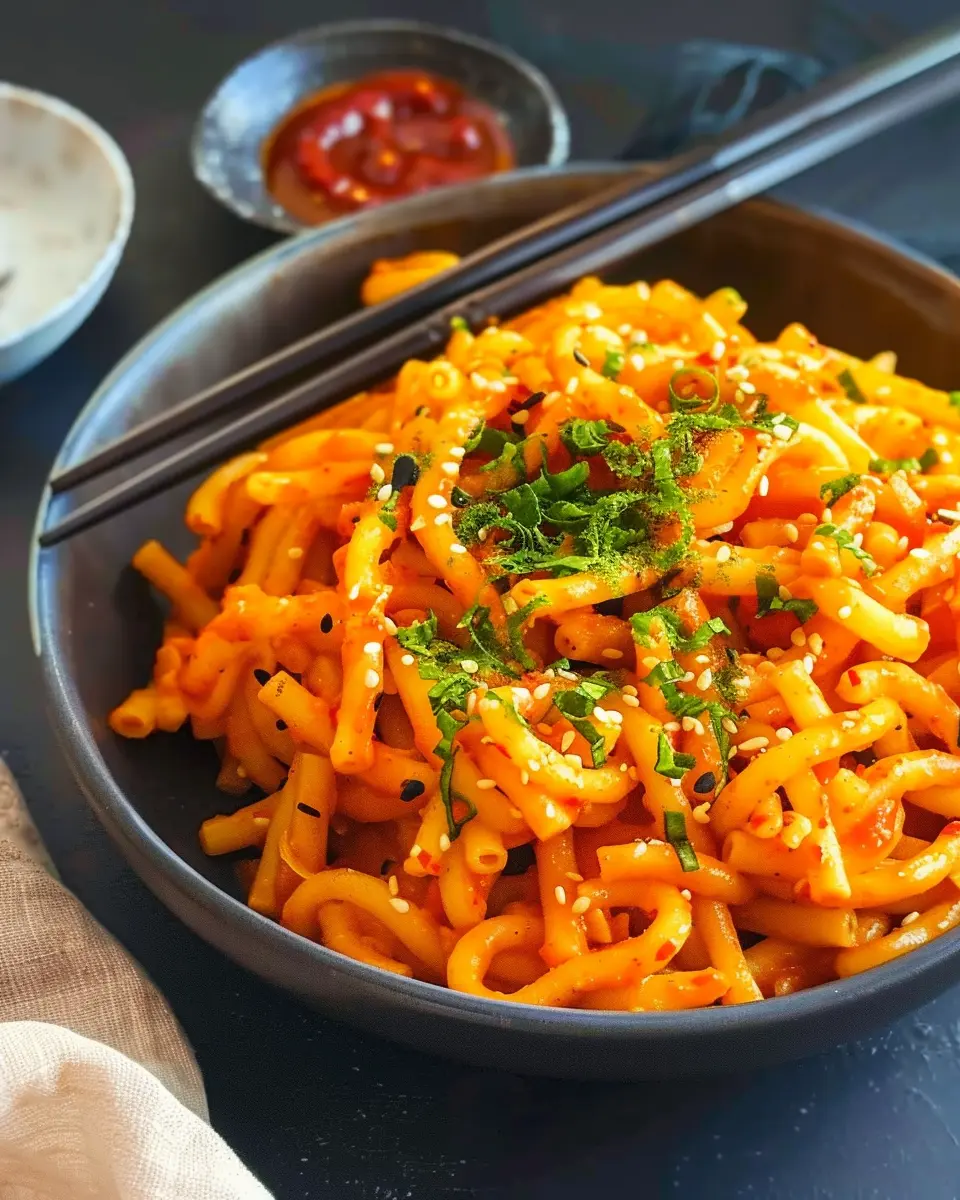
Serving Suggestions for Gochujang Pasta
Pairing Proteins for a Complete Meal
When thinking about proteins to pair with your Gochujang Pasta, consider lean options that will elevate the flavors without overwhelming the dish. Turkey bacon is a fantastic choice, adding a savory crunch that perfectly complements the spicy, rich sauce. For a heartier option, chicken ham works wonders, contributing a subtle sweetness that balances the heat of gochujang. Grilled chicken or shrimp are also excellent protein additions, creating a satisfying meal that’s well-rounded and delicious.
Suggested Side Dishes to Complement the Dish
To round out your meal, think about side dishes that will enhance your Gochujang Pasta experience. Here are some tasty ideas:
- Steamed broccoli or bok choy: These greens add a fresh, vibrant pop of color and help balance the bold flavors.
- Cucumber salad: A light, crunchy cucumber salad with sesame dressing can provide a refreshing contrast.
- Garlic bread: For a comforting touch, serve garlic bread on the side to soak up the delicious sauce.
Experimenting with these pairings can lead to delightful discoveries! For more inspiration on choosing sides, check out this great resource on healthy side dishes. Happy cooking!
Time Breakdown for Gochujang Pasta
Preparation Time
Getting ready for your delicious Gochujang Pasta is quick and easy. You’ll need about 10-15 minutes to gather your mis en place—chop your veggies, measure your ingredients, and cook the turkey bacon. Having everything prepped will help you breeze through the next steps.
Cooking Time
Once you’re all set, the cooking process takes about 20-25 minutes. This includes sautéing your ingredients to create that savory umami flavor we crave and combining it all into a creamy, spicy sauce that elevates your pasta dish.
Total Time
In total, you’re looking at about 30-40 minutes from start to finish. Perfect for a busy weeknight meal! If you’re short on time but still want something tasty, consider making a larger batch for leftovers—Gochujang Pasta reheats well and might even be more flavorful the next day!
Nutritional Facts for Gochujang Pasta
When it comes to enjoying a delicious and satisfying meal, let’s talk about the nutritional benefits of Gochujang Pasta. A typical serving offers approximately:
Calories and Macronutrients
- Calories: Around 400-500.
- Protein: Approximately 15-20 grams, largely from noodles and Turkey Bacon.
- Carbohydrates: About 60-70 grams, giving you plenty of energy.
- Fats: Ranges from 15-25 grams, depending on sauce and added ingredients.
This balance makes it a hearty option for a dinner after a long day at work.
Vitamins and Minerals
Gochujang Pasta is not just tasty; it’s also nutritious! You’ll find valuable nutrients such as:
- Vitamin A: Essential for maintaining healthy vision.
- Vitamin C: Boosts your immune system and plays a role in collagen formation.
- Iron: Important for oxygen transport in your blood.
- Calcium: Vital for strong bones.
For more on vitamins, you can check out resources like the National Institutes of Health.
As you whip up this rich dish, you can feel good knowing it’s not only delicious but also packs a punch in nutrition. So, why not treat yourself to an upgrade on your dinner routine?
FAQs about Gochujang Pasta
What is Gochujang and Why Use It?
Gochujang is a traditional Korean red chili paste made from fermented soybeans, glutinous rice, and red chili powder. Its rich, savory flavor profile adds a delightful depth to dishes like Gochujang Pasta. Using Gochujang brings a unique umami element, making your pasta stand out from the crowd. If you’re looking to explore more about this ingredient, check out Serious Eats for a dive into its history and uses.
Can I Substitute Gochujang with Other Sauces?
While there’s no perfect substitute for Gochujang, if you find yourself without it, you can try using a mixture of miso paste and sriracha. This combination can mimic the sweet and spicy elements of Gochujang, albeit with a different texture. Another option might be to use a store-bought chili paste, but be cautious with the heat level.
How to Adjust the Spice Level in Gochujang Pasta?
The beauty of Gochujang Pasta is in its flexibility. If it’s too spicy for your taste, consider the following tips:
- Add Dairy: Mixing in cream or cheese can soften the heat.
- Sweeten the Sauce: A touch of honey or sugar can balance the spiciness.
- Incorporate Vegetables: Adding ingredients like spinach or mushrooms can dilute the spicy flavors.
Feel free to experiment until you find the perfect balance. With its adjustable spice levels, Gochujang Pasta is a fantastic choice for any palate.
Don’t hesitate to share your experience with Gochujang Pasta in the comments; we love to hear how others personalize this delicious dish!
Conclusion on Gochujang Pasta
A Final Thought on Cooking at Home
Cooking at home offers a delightful mix of creativity and nourishment, and trying out Gochujang Pasta is a fantastic way to embrace this. This spicy, umami-rich dish not only elevates ordinary pasta but also allows you to experiment with flavors that might become your new favorites.
By incorporating ingredients like Turkey Bacon or Chicken Ham, you create a comforting meal that’s personal and satisfying. Remember, cooking is about enjoyment and experimentation—don’t hesitate to adjust the spice levels to suit your taste!
For tips on meal prepping or exploring different cuisines, check out Serious Eats for inspiration. Happy cooking!
PrintGochujang Pasta: A Spicy and Easy Twist on Comfort Food
A delicious and spicy pasta dish that combines the flavor of gochujang with traditional comfort food elements.
- Prep Time: 10 minutes
- Cook Time: 15 minutes
- Total Time: 25 minutes
- Yield: 2 servings 1x
- Category: Pasta
- Method: Stovetop
- Cuisine: Korean
- Diet: Vegetarian
Ingredients
- 8 ounces spaghetti
- 2 tablespoons gochujang
- 1 tablespoon soy sauce
- 1 tablespoon sesame oil
- 2 cloves garlic, minced
- 2 tablespoons brown sugar
- 1/2 cup heavy cream
- 1 tablespoon green onions, chopped
Instructions
- Cook spaghetti according to package instructions until al dente.
- In a pan, heat sesame oil over medium heat. Add minced garlic and sauté until fragrant.
- Stir in gochujang, soy sauce, and brown sugar, mixing until well combined.
- Add heavy cream to the sauce and let it simmer for a few minutes.
- Toss the cooked pasta in the sauce until evenly coated.
- Garnish with chopped green onions before serving.
Notes
- For a spicy kick, adjust the amount of gochujang to your taste.
- Top with sesame seeds for added flavor and crunch.
Nutrition
- Serving Size: 1 serving
- Calories: 450
- Sugar: 5g
- Sodium: 700mg
- Fat: 20g
- Saturated Fat: 10g
- Unsaturated Fat: 8g
- Trans Fat: 0g
- Carbohydrates: 60g
- Fiber: 3g
- Protein: 12g
- Cholesterol: 50mg
Keywords: Gochujang Pasta, Spicy Pasta, Comfort Food